First Time Umrah Tips: What I Wish I Knew Before Going
Essential Tips
Before You Go: Critical Preparation
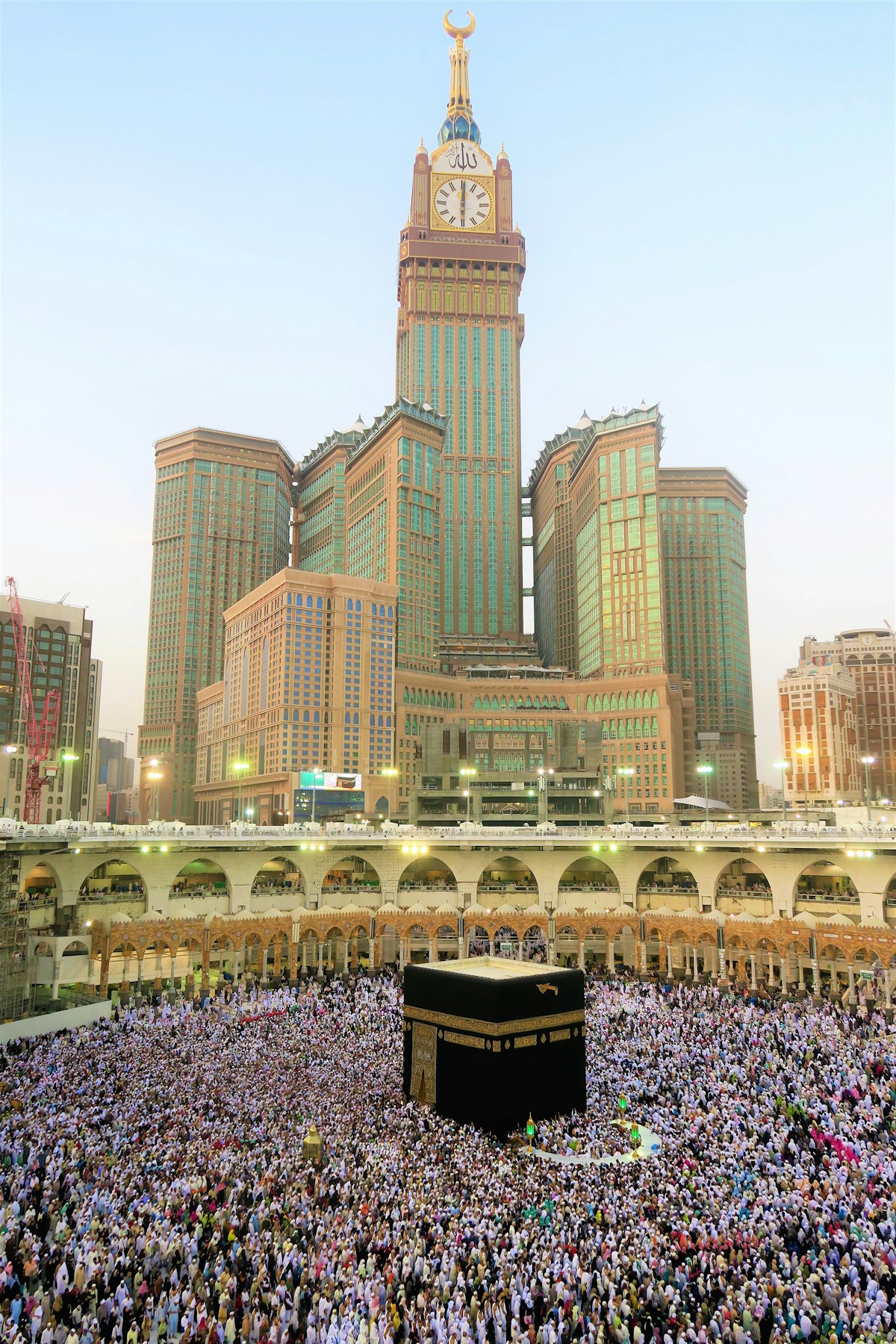
The single biggest regret first-time pilgrims have is not preparing enough. You'll arrive in Makkah emotionally overwhelmed by the sight of the Kaaba — and if you don't know the rituals by heart, that overwhelm turns into confusion instead of worship.
Must-Do Before Departure
- Learn the 4 steps of Umrah — Ihram, Tawaf, Sa'i, Halq/Taqsir. Know them cold. Our 360° Umrah guide walks you through each one.
- Memorise key duas — At minimum: Talbiyah, dua at the Black Stone, dua between Yemeni Corner and Black Stone, dua at Safa. See our Duas library.
- Practice Tawaf direction — Counter-clockwise, Kaaba on your LEFT. It sounds obvious until you're in a crowd of 100,000.
- Get physically fit — Tawaf + Sa'i = 10+ km of walking. Start walking 5–8 km daily at least 4 weeks before your trip.
- Use VR to rehearse — Virtual Umrah preparation lets you walk every step before you go.
What to Pack (and What NOT to Pack)
Essential Packing List
- Ihram garments — 2 sets (one to wear, one as backup). Pre-wash them.
- Comfortable sandals/flip-flops — You'll walk 15–20 km daily. Invest in quality.
- Unscented toiletries — Fragrance is prohibited in Ihram. Bring unscented soap, deodorant, sunscreen.
- Small prayer rug — The marble floor gets extremely hot during the day.
- Dua book or printed list — Your phone battery will die. Have a physical backup.
- Waist pouch/belt — Pickpocketing happens. Never carry valuables in open pockets.
- Electrolyte packets — Dehydration is the #1 health issue. Drink constantly.
- Basic first aid — Plasters for blisters, pain relief, anti-diarrhoea tablets.
- Portable phone charger — Outlets at the Haram are scarce.
What NOT to Pack
- Expensive jewellery or watches — risk of loss in crowds
- Heavy luggage — you'll regret every extra kilogram
- Perfume/cologne — can't use in Ihram anyway
- Too many clothes — laundry services are cheap and available
Best Time to Perform Umrah
- Ramadan — The Prophet (ﷺ) said Umrah in Ramadan is equal to Hajj in reward (Bukhari). But expect massive crowds, especially in the last 10 days.
- Shawwal–Dhul Qa'dah — After Ramadan/Eid. Crowds thin significantly. Good balance of reward and comfort.
- Winter months (Nov–Feb) — Most comfortable weather. Highs of 25–30°C instead of 45°C+ in summer.
- Avoid — Peak Hajj season (first 2 weeks of Dhul Hijjah) unless you're doing Hajj. The Haram is at maximum capacity.
Best time of day for Tawaf: After Fajr prayer (least crowded) or between Dhuhr and Asr (people resting). Avoid after Maghrib — peak crowd time.
At Masjid al-Haram: Navigation Tips
- Remember your gate number — There are 210+ gates. Memorise which one is closest to your hotel.
- Use the upper floors for Tawaf — Ground floor is most crowded. The 1st floor and roof are less congested (but larger circuits).
- Wheelchair Tawaf — Available on the ground floor for elderly/disabled. Helpers are available but tip them fairly.
- Zamzam water — Available on every floor in coolers. Drink generously.
- Sa'i has separate lanes — Wheelchair users and walking pilgrims have designated paths. Follow the flow.
- Green lights during Sa'i — Men should walk briskly between the green-lit markers. Women walk normally throughout.
10 Common Mistakes First-Timers Make
- Not making Niyyah (intention) — Ihram is invalid without the specific intention for Umrah.
- Walking clockwise in Tawaf — It's counter-clockwise. The Kaaba should be on your LEFT.
- Skipping Raml — Men should walk briskly in the first 3 circuits of the arrival Tawaf.
- Forgetting Idtiba' — Men should expose the right shoulder during Tawaf (Umrah only).
- Miscounting circuits — Use a finger counter (tasbeeh) or phone app. Losing count is extremely common.
- Starting Sa'i from Marwah — Always start from Safa. Safa → Marwah is lap 1.
- Not drinking enough water — Even in winter, the marble reflects heat. Drink before you feel thirsty.
- Phone distraction during worship — Taking selfies during Tawaf breaks your spiritual focus. Put the phone away.
- Pushing through crowds to touch the Black Stone — Pointing at it from a distance and saying "Allahu Akbar" has the same reward.
- Not preparing duas in advance — You'll stand in front of the Kaaba and blank. Write your duas down.
Money-Saving Tips
- Go in off-season — Flights and hotels drop 40–60% outside Ramadan and Hajj season
- Stay in Aziziyah or Misfalah — 10–15 minutes from Haram by bus but half the price of clock tower hotels
- Eat at local restaurants — Al-Baik (iconic Saudi chicken), street shawarma, and hotel area eateries are far cheaper than Haram-adjacent restaurants
- Book directly — Many agents add significant margins. Compare direct hotel bookings vs agent packages
- Bring a reusable water bottle — Fill it with Zamzam at the Haram. Save on buying bottled water
Special Tips for Women
- Face covering during Ihram — Women must not wear a niqab during Ihram, but can use a sun visor or hat brim that doesn't touch the face
- Menstruation — If your period begins, you can do everything except Tawaf. Wait until you are pure, then complete Tawaf
- Hair cutting — Women cut a fingertip's length (approximately 2 cm) from the end of their hair. Do NOT shave your head
- Comfortable abaya — Wear breathable, loose-fitting abayas. Dark colours absorb more heat
- Women's sections — Designated prayer areas exist on every floor. The 1st floor and roof are generally less crowded
How VR Preparation Changes Everything
Every tip above becomes 10x more effective when you've already walked the route virtually. Pilgrims who use Pilgrim's Path VR training before their trip report:
- Knowing exactly where to start Tawaf without asking
- Recognising landmarks like the Yemeni Corner and green Sa'i lights
- Having duas memorised at each location
- Feeling calm instead of overwhelmed when seeing the Kaaba for the first time
- Completing Umrah in less time with fewer mistakes