How to Perform Hajj: The Complete 2026 Guide to Every Ritual
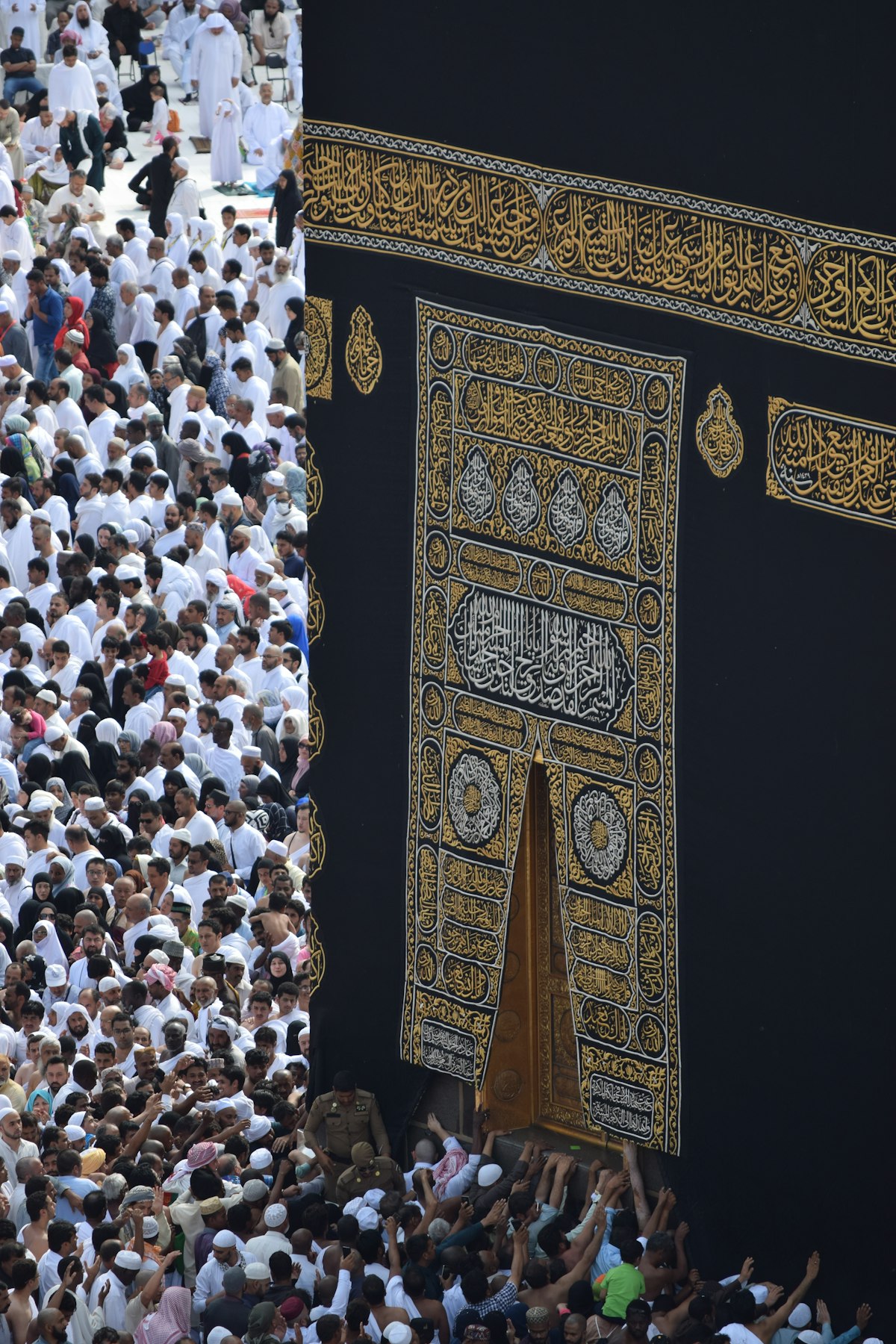
Table of Contents
- Hajj: The Fifth Pillar of Islam
- Who Must Perform Hajj?
- The Three Types of Hajj
- Preparing Before You Leave
- Day 1 (8th Dhul Hijjah): Ihram and Mina
- Day 2 (9th Dhul Hijjah): The Day of Arafat
- Day 3 (10th Dhul Hijjah): Eid al-Adha
- Days 4-5 (11th-12th Dhul Hijjah): Ayyam al-Tashreeq
- Farewell Tawaf
- Common Mistakes to Avoid
- Frequently Asked Questions
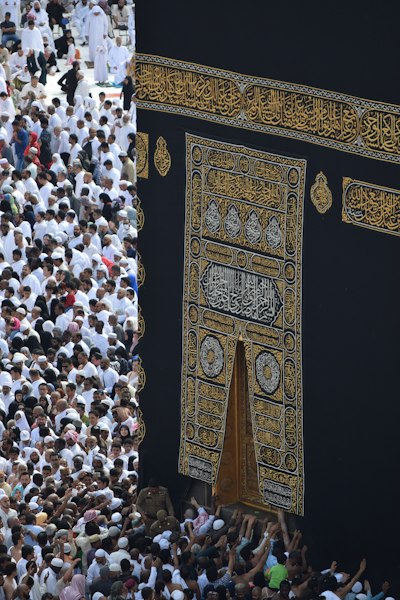
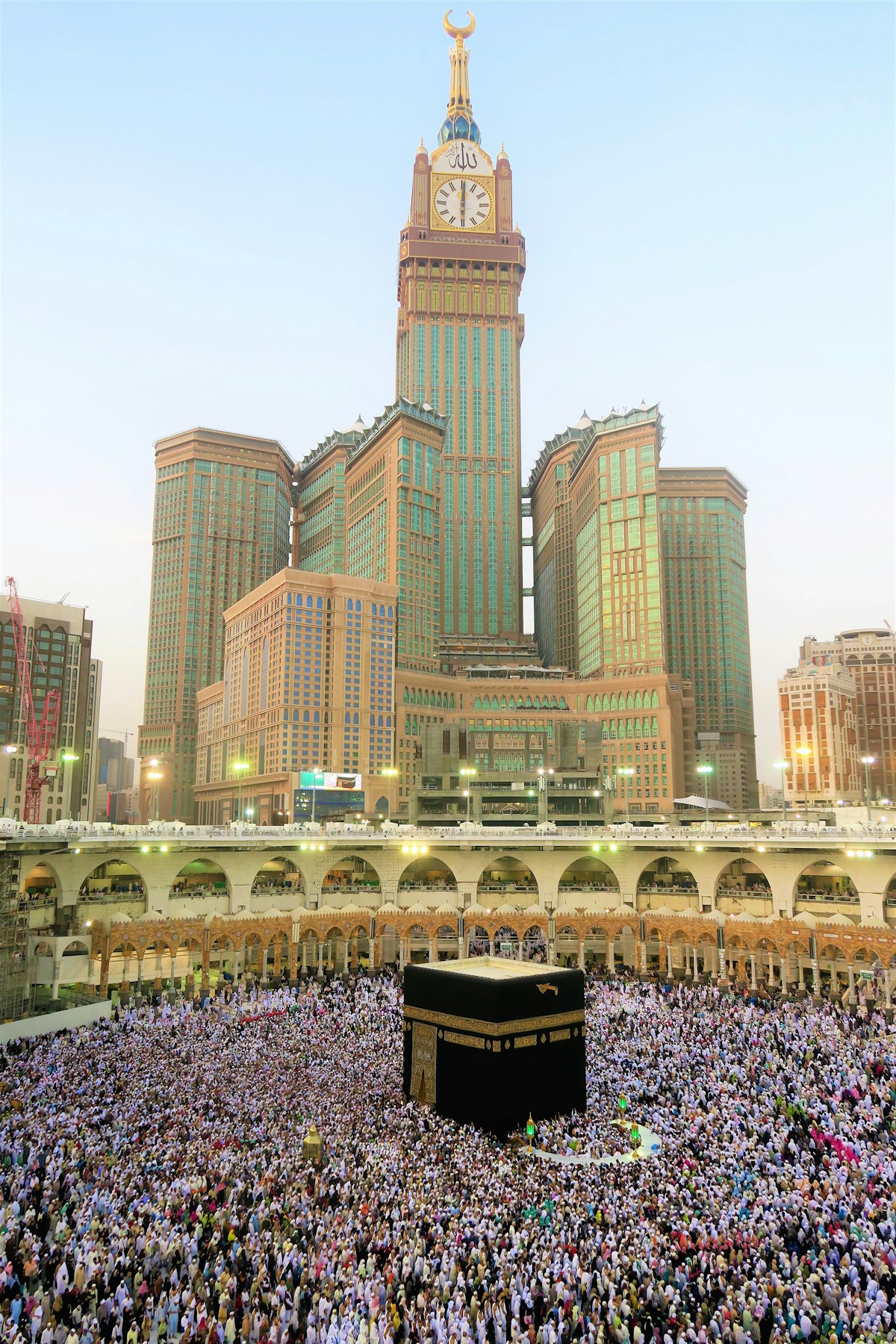
Hajj is the fifth pillar of Islam — a once-in-a-lifetime obligation for every Muslim who is physically and financially able. Each year, over two million pilgrims converge on Makkah to retrace the footsteps of Prophet Ibrahim عليه السلام, his wife Hajar, and their son Ismail عليه السلام. It is, without exaggeration, the largest annual human gathering on Earth and one of the most profoundly transformative experiences a person can have.
If you're preparing for Hajj in 2026, this guide will walk you through every single ritual, day by day, with the exact duas, rules, and practical wisdom you need. Whether you're performing Hajj Tamattu, Qiran, or Ifrad, you'll find all three methods explained clearly below.
"And proclaim to the people the Hajj; they will come to you on foot and on every lean camel; they will come from every distant pass."
— Quran 22:27
Hajj: The Fifth Pillar of Islam
Hajj is not merely a pilgrimage — it is a divine command. Allah says in the Quran:
"In it are clear signs [such as] the standing place of Ibrahim. And whoever enters it shall be safe. And [due] to Allah from the people is a pilgrimage to the House — for whoever is able to find thereto a way."
— Quran 3:97
The Prophet Muhammad ﷺ said: "Whoever performs Hajj for Allah's pleasure and does not have sexual relations with his wife, and does not do evil or sins then he will return (after Hajj free from all sins) as if he were born anew" (Sahih al-Bukhari 1521). This is the incredible promise of Hajj — a complete spiritual reset, a return to the purity you were born with.
For a condensed day-by-day breakdown, also see our Hajj step-by-step guide which serves as a quick reference companion to this deeper guide.
Who Must Perform Hajj?
Hajj becomes obligatory (fard) when five conditions are met:
- Islam: The person must be Muslim
- Sanity: The person must be of sound mind
- Maturity: The person must have reached puberty (though children can perform Hajj, it does not fulfill the obligation)
- Physical ability: The person must be physically capable of making the journey and performing the rituals. Those who are chronically ill or elderly and cannot travel may appoint someone to perform Hajj on their behalf
- Financial ability (Istita'ah): The person must be able to afford the journey, accommodation, and sustenance for themselves and their dependents during their absence. Hajj should not put your family into debt or hardship
For women, there is the additional requirement of a Mahram (male guardian) for travel, though Saudi Arabia now allows women over 45 to perform Hajj in registered groups without a Mahram. Understanding the full cost of Hajj and how to budget effectively is essential when assessing your financial readiness.
The Three Types of Hajj
There are three valid methods of performing Hajj. Understanding the fundamental differences between Hajj and Umrah will help you grasp these types:
1. Hajj Tamattu (المتعة) — Most Recommended
This is the type the Prophet ﷺ recommended for his companions and is the most common method today. "Tamattu" means "enjoyment" because the pilgrim enjoys a break between Umrah and Hajj.
- You enter Ihram for Umrah first at the Miqat
- Perform a complete Umrah (Tawaf, Sa'i, hair cut)
- Exit Ihram and live normally in Makkah until 8th Dhul Hijjah
- On 8th Dhul Hijjah, enter Ihram again for Hajj
- Requires: A sacrifice (Hady) — one sheep/goat, or share in a cow/camel
2. Hajj Qiran (القِران) — Combined
"Qiran" means "combining." The pilgrim combines Umrah and Hajj in a single state of Ihram.
- Enter Ihram for both Umrah and Hajj together at the Miqat
- Perform Tawaf and Sa'i upon arrival (for Umrah)
- Remain in Ihram until all Hajj rituals are complete
- Requires: A sacrifice (Hady)
- The Tawaf and Sa'i of Umrah count for Hajj as well
3. Hajj Ifrad (الإفراد) — Hajj Only
"Ifrad" means "isolation" — the pilgrim performs Hajj alone, without Umrah.
- Enter Ihram for Hajj only at the Miqat
- Perform Tawaf al-Qudum (arrival Tawaf) upon reaching Makkah — this is recommended, not obligatory
- Remain in Ihram until all Hajj rituals are complete
- No sacrifice required (though it is recommended)
- You can perform Umrah after completing Hajj if you wish
Preparing Before You Leave
Proper preparation can make or break your Hajj experience. Here's what every pilgrim must do before leaving home:
Spiritual Preparation
- Repent sincerely — Settle all debts, ask forgiveness from anyone you've wronged, and make tawbah to Allah
- Learn the rituals thoroughly — Study this guide and practice with our virtual Hajj experience to build familiarity
- Write a will (wasiyyah) — This is Sunnah before any major journey
- Pray Istikhara — Seek Allah's guidance for your journey
- Memorize essential duas — Especially the Talbiyah, morning/evening adhkar, and duas for each ritual. Our complete Hajj duas guide covers every dua you'll need
Practical Preparation
- Ensure your Ihram garments are comfortable and well-fitted
- Pack wisely — see our essential Hajj packing list
- Get required vaccinations (meningitis is mandatory; COVID protocols as required)
- Break in your walking shoes — you'll walk 5-15 km daily
- Build physical stamina — start a walking routine weeks before departure
- Arrange affairs at home — bills, responsibilities, work leave
Day 1 (8th Dhul Hijjah): Yawm al-Tarwiyah — Ihram and Mina
Morning: Enter Ihram for Hajj
If performing Hajj Tamattu, enter Ihram from your accommodation in Makkah. Perform Ghusl, put on Ihram garments, pray two rak'ahs, and declare your intention:
"Labbayk Allahumma Hajjan"
"Here I am, O Allah, for Hajj"
Begin reciting the Talbiyah and continue throughout the day:
"Labbayk Allahumma labbayk, labbayka la shareeka laka labbayk. Innal-hamda wan-ni'mata laka wal-mulk, la shareeka lak."
Proceed to Mina
Travel to the tent city of Mina (approximately 8 km from Makkah). You'll be assigned a tent through your Hajj group. This day is relatively relaxed:
- Pray Dhuhr, Asr, Maghrib, Isha, and Fajr in Mina — each shortened (qasr) but prayed at their proper times
- Spend the night in Mina — read Quran, make dhikr, rest, and prepare mentally for the most important day ahead
- Some scholars say staying in Mina on the 8th is Sunnah, not obligatory, so those who go directly to Arafat are not sinning — but following the Sunnah is always better
Day 2 (9th Dhul Hijjah): The Day of Arafat — The Pinnacle of Hajj
This is the single most important day of Hajj — and arguably the most important day in the Islamic calendar. The Prophet ﷺ said: "Hajj is Arafat" (Sunan an-Nasa'i 3016). If a pilgrim misses standing at Arafat, their Hajj is invalid. For a comprehensive guide to this crucial day, see our complete Day of Arafat guide.
Morning: Travel to Arafat
After Fajr prayer in Mina, travel to the plains of Arafat (approximately 14 km from Mina). Continue reciting the Talbiyah throughout the journey.
Wuquf (Standing at Arafat)
The standing at Arafat begins at Dhuhr and lasts until sunset. This is your time:
- Make abundant dua — This is the greatest day for dua. The Prophet ﷺ said: "The best dua is the dua of the Day of Arafat" (Tirmidhi 3585)
- Pray Dhuhr and Asr combined and shortened (jam' and qasr) — following the Sunnah
- Face the Qiblah, raise your hands, and pour your heart out — Cry, beg, ask for anything — this is when Allah descends to the lowest heaven and boasts about the pilgrims to the angels
- Recite Quran, make dhikr, seek forgiveness
- You don't need to climb Jabal al-Rahmah (the Mount of Mercy) — Wuquf is valid anywhere within the boundaries of Arafat
"There is no day on which Allah frees more people from the Fire than the Day of Arafat. He comes close and expresses His pride to the angels, saying: 'What do these people want?'"
— Sahih Muslim 1348
After Sunset: March to Muzdalifah
After sunset, leave Arafat for Muzdalifah (approximately 9 km). Do not pray Maghrib at Arafat — the Sunnah is to combine Maghrib and Isha at Muzdalifah.
- Pray Maghrib (3 rak'ahs) and Isha (shortened to 2 rak'ahs) combined at Muzdalifah
- Collect 49 pebbles (chickpea-sized) for the stoning ritual. Some scholars say 70 to be safe
- Sleep under the open sky — this is a unique and humbling Sunnah
- Pray Fajr as early as possible, then make dua until just before sunrise
- The elderly, women, and weak may leave Muzdalifah after midnight to avoid the extreme crowds
Day 3 (10th Dhul Hijjah): Yawm al-Nahr — Eid al-Adha
This is the busiest day of Hajj, with four major rituals to complete. The order recommended by the Sunnah is:
1. Rami al-Jamarat (Stoning the Large Pillar)
- Proceed to Jamarat al-Aqabah (the large pillar only on this day)
- Throw 7 pebbles, one by one, saying "Allahu Akbar" with each throw
- Stop reciting the Talbiyah when you throw the first pebble
- The stoning can be done from sunrise until midnight, though after Fajr until noon is preferred
2. Qurbani (Sacrifice)
- Obligatory for those performing Hajj Tamattu or Qiran
- One sheep/goat per person, or one-seventh of a cow/camel
- Most pilgrims nowadays pay their Hajj group or an authorized agency to arrange the sacrifice — you'll receive confirmation when it's done
- If you cannot afford the sacrifice, fast three days during Hajj and seven when you return home (10 total)
3. Halq or Taqsir (Shaving or Trimming)
- Men: Shaving the entire head (preferred) or trimming
- Women: Trimming approximately one inch from the ends of the hair
- After this, you enter partial Ihram release (tahallul al-awwal) — everything except sexual relations becomes permissible again
4. Tawaf al-Ifadah and Sa'i
- Travel to Masjid al-Haram and perform Tawaf al-Ifadah — the most important Tawaf and a pillar of Hajj
- Follow with Sa'i between Safa and Marwa (if performing Tamattu, or if you didn't do Sa'i upon arrival for Qiran/Ifrad)
- This Tawaf can be delayed to the 11th or 12th if needed, but the 10th is preferred
- After this Tawaf, you achieve complete Ihram release (tahallul al-thani) — all restrictions are lifted
Flexibility in Order: The Prophet ﷺ was asked about doing these rituals out of order on this day, and he consistently replied: "Do it, and there is no harm" (Sahih al-Bukhari 83). So don't stress if you end up doing them in a different sequence.
Days 4-5 (11th-12th Dhul Hijjah): Ayyam al-Tashreeq
These are the "Days of Drying Meat" — referring to the ancient practice of preserving sacrificial meat. You spend these days in Mina.
Daily Stoning
Each day after Dhuhr (until sunset), stone all three Jamarat pillars:
- Jamarat al-Sughra (small) — 7 pebbles, then step aside and make dua facing Qiblah
- Jamarat al-Wusta (medium) — 7 pebbles, then step aside and make dua facing Qiblah
- Jamarat al-Aqabah (large) — 7 pebbles, then leave without stopping for dua
That's 21 pebbles per day, 42 for both days (plus 7 from the 10th = 49 total).
Leaving Mina
If you wish to leave on the 12th (the shorter option), you must depart Mina before sunset on the 12th. If sunset catches you still in Mina, you must stay for the 13th and stone again (adding 21 more pebbles). Staying for the 13th is better and more rewarding.
"Remember Allah during the appointed days. But whoever hastens [his departure] in two days — there is no sin upon him; and whoever delays — there is no sin upon him, for one who fears Allah."
— Quran 2:203
The Farewell Tawaf (Tawaf al-Wida)
Before leaving Makkah, every pilgrim must perform the Farewell Tawaf. This is the last thing you do in Makkah — wajib (obligatory) according to the majority of scholars.
- Perform 7 circuits around the Kaaba like a regular Tawaf
- Pray two rak'ahs behind Maqam Ibrahim
- No Sa'i is required after the Farewell Tawaf
- Women in their menstrual period are excused from this Tawaf
- After completing it, leave the mosque walking forward (not backward) — the Sunnah is to make dua but not to walk backward "out of respect"
Your Hajj is now complete. You return home with a clean slate — as sinless as the day you were born. May Allah accept it from you. Hajj Mabroor!
Common Mistakes to Avoid During Hajj
- Not learning the rituals before departure: Hajj is complex. Study thoroughly and practice with VR simulations before you go
- Choosing the wrong type of Hajj without understanding it: Most pilgrims should do Tamattu — it was what the Prophet ﷺ wished he had done himself
- Missing Arafat: If you don't stand at Arafat between Dhuhr and Fajr of the next day, your Hajj is invalid. Plan your travel accordingly
- Stoning before the allowed time: Stoning on the 10th is from sunrise; on the 11th-12th, it's from after Dhuhr. Stoning before these times is invalid according to most scholars
- Not staying in Muzdalifah: Spending at least part of the night there is wajib. Leaving before midnight without a valid excuse requires a fidyah
- Excessive anger and impatience: The Prophet ﷺ specifically warned against arguing and sinning during Hajj. The crowds, heat, and exhaustion will test you — this IS part of the test
- Neglecting dua at Arafat: Some pilgrims spend the Day of Arafat sleeping, eating, or socializing. This is the most precious day of the year for dua — don't waste it
- Forgetting the Farewell Tawaf: Some pilgrims leave Makkah without performing Tawaf al-Wida, which is obligatory
- Pushing and shoving at the Jamarat: The modern Jamarat bridge has multiple levels — use them to find less crowded areas. Safety first
Prepare with Immersive VR
Walk through every Hajj ritual in 360° virtual reality — from Mina to Arafat to the Jamarat. Completely free.
Start Your Virtual HajjFrequently Asked Questions
Which type of Hajj is best for first-time pilgrims?
Hajj Tamattu is recommended for most pilgrims, especially first-timers. It allows you to complete Umrah first, exit Ihram, and then re-enter Ihram for Hajj on the 8th of Dhul Hijjah. This gives you a break between the two pilgrimages and is the method the Prophet ﷺ recommended for his companions. The only additional requirement is a sacrifice (Hady).
How much does Hajj cost in 2026?
Hajj costs vary dramatically by country and package type. From the US or UK, expect $7,000-$15,000+ per person for standard packages. Economy packages from South Asian countries may start around $3,000-$5,000. VIP packages with 5-star hotels can exceed $20,000. For a detailed breakdown, see our complete Hajj cost and budgeting guide.
Can women perform Hajj without a Mahram?
According to Saudi regulations as of recent years, women aged 45 and above may perform Hajj with an organized group without a Mahram. Younger women generally need a Mahram. However, this varies by the policies of your country's Hajj authority and may change. Check with your country's official Hajj ministry for the latest regulations.
What if I can't physically throw pebbles at the Jamarat?
If you are physically unable to throw the pebbles yourself (due to illness, disability, extreme old age, or pregnancy), you may appoint someone (a wakeel) to throw on your behalf. The wakeel should throw their own pebbles first at each Jamarah, then throw yours. This is the position of the majority of scholars.
How do I know I'm within the boundaries of Arafat?
The boundaries of Arafat are clearly marked with large signs. The valley of Uranah is commonly mistaken for Arafat — the Prophet ﷺ specifically said "I stood here, but all of Arafat is a standing place." If you're in a Hajj group, your guides will ensure you're within the boundaries. When in doubt, move toward Jabal al-Rahmah (the Mount of Mercy), which is centrally located.
Is it obligatory to visit Madinah during Hajj?
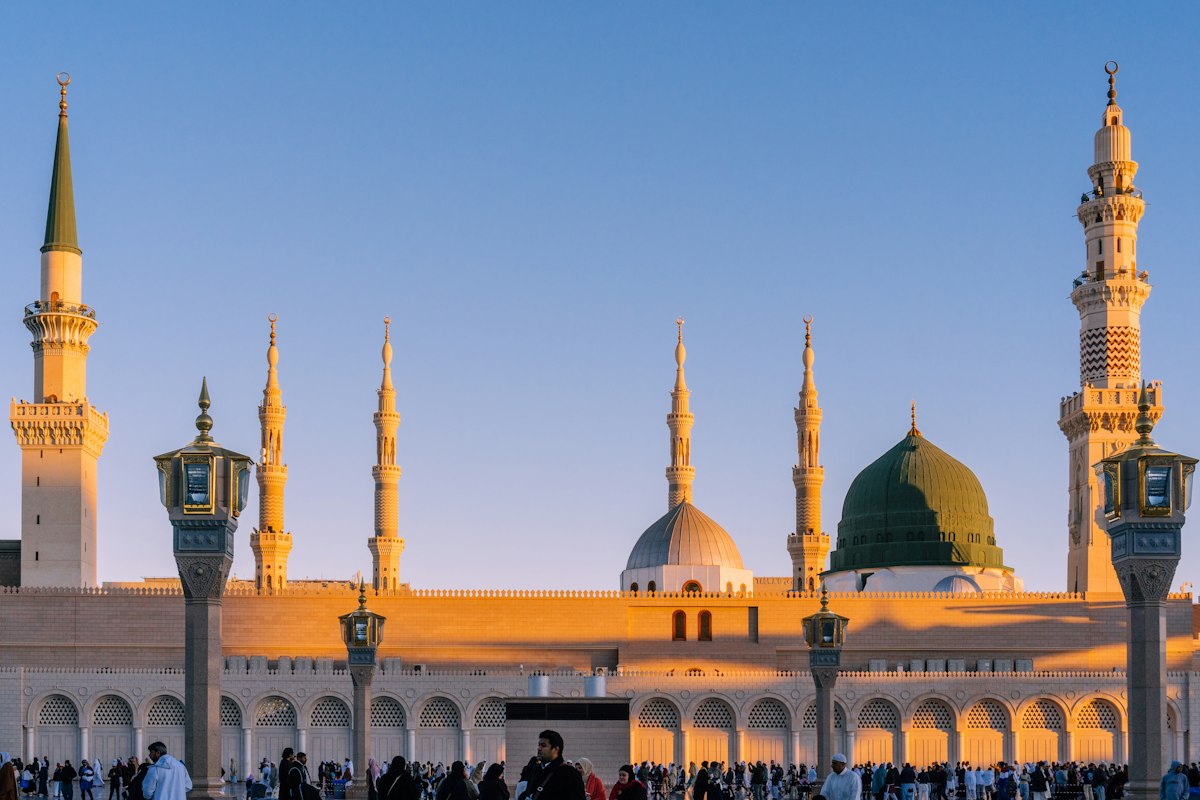
Visiting Madinah is not part of Hajj and not obligatory. However, it is highly recommended (mustahabb) to visit the Prophet's Mosque (Masjid al-Nabawi), as the Prophet ﷺ said: "One prayer in my mosque is better than a thousand prayers elsewhere, except al-Masjid al-Haram" (Sahih al-Bukhari 1190). Most Hajj packages include Madinah either before or after Hajj.
What happens if I get sick during Hajj and miss a ritual?
If you miss a wajib (obligatory) ritual due to illness, you must offer a sacrifice (fidyah). If you miss a rukn (pillar) like Tawaf al-Ifadah or standing at Arafat, you remain in Ihram until you can complete it. Consult a knowledgeable scholar in your group for specific rulings based on your situation. This is why choosing a Hajj group with qualified religious guides is so important.